Florence
is not a Destination.
It's a World You Step Into!
If you’ve ever stood in front of a masterpiece and thought: “I know this is incredible… but I don’t really understand why.” YOU'RE NOT ALONE. You don’t need an art degree. You don’t need to memorize history. You just need to know what to look for, where to find it, and why it matters.
This book will change everything for you - and your vacation!
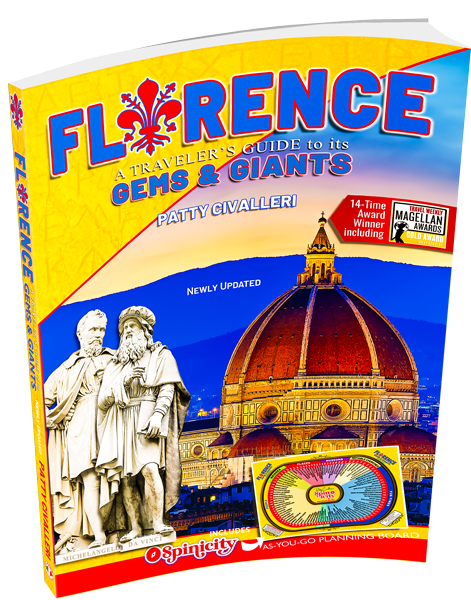
THIS BOOK IS FOR YOU IF...
- You love history, art, and the stories behind them
- You want to stand in front of greatness & actually get it
- You want to avoid the crowds but not miss anything important
- You are a deeply curious traveler who wants to go slowly, not rush
- You have always wanted to know how to 'see' art and sculptures without going back to school
This book was written for travelers like you!
Ready to discover
the REAL Florence?
Inside, you’ll discover over 100 meaningful sites, connected through the lives of
the artists, thinkers, and visionaries who built the Renaissance.
CUT THROUGH THE NOISE
You’re guided to over 100 meaningful sites and stories—the real stories. The ones most travelers miss entirely. Understand why Florence is one of the most important cities in Western history. Most visitors miss the point!
MEET THE GENIUSES
Did you know that Michelangelo, da Vinci,Donatello,Raphael,Macchiavelli,Dante and Botticelli all came from Florence? And they all KNEW each other? Follow them and their works around Florence. Eye opening!
DECODE ART SIMPLY
No artsy jargon. No high falutin lingo. Just clear, human explanations that show you what you're looking at, how to 'see' it — and suddenly, masterpieces start speaking to you. Directly. This is life changing!
BE INSPIRED TO SLOW DOWN
Because Florence is tiny and walkable, it's not a sprint: pause longer, look deeper, sit higher (preferably on a rooftop with a glass of wine). Take time to ponder, to reflect. Therein lies the magic and how to find it.
Spending an hour with the Author BEFORE your trip will be the BEST SPEND of your whole trip!
A VISIT TO FLORENCE COULD ACTUALLY CHANGE THE WAY YOU SEE YOUR WORLD!
IF YOU LET IT.
FOLLOW IN THE FOOTSTEPS OF THE GREATEST RENAISSANCE ARTISTS
& THINKERS
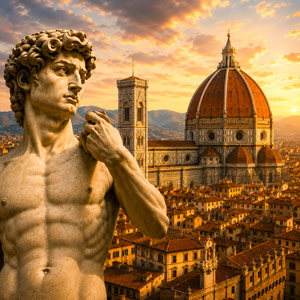
- Michelangelo & da Vinci
- Raphael & Botticelli
- Dante & Machiavelli
- Galileo & the Medici
- The greatest artworks in the West
UNDERSTAND WHY FLORENCE IS SO IMPORTANT TO ALL OF EUROPE
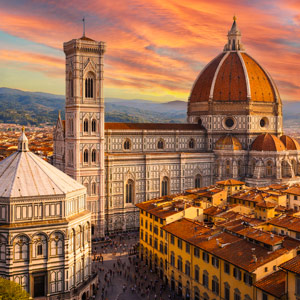
- What was the Renaissance?
- Why was it so important?
- How did it start in Florence?
- Who made it all happen?
- Why do we care today?
UNDERSTANDING THE RENAISSANCE WITH ILLUSTRATED CONTEXT
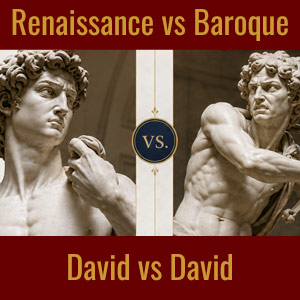
- Difference between the Renaissance & the Baroque styles
- How to 'see' paintings & sculptures
- What the artists were trying to say
- Learning the symbolism in every piece
HIDDEN GEMS &
LOCAL SECRETS
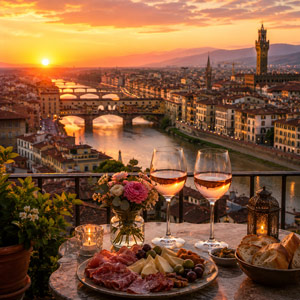
- What is hidden in alleys & corners?
- Secret rooftop views & lounges
- How to understand the architecture
- Dungeons, passageways & caves
- Tuscan food & the BEST Gelato
SHOP Florence
FLORENCE: Gems & Giants
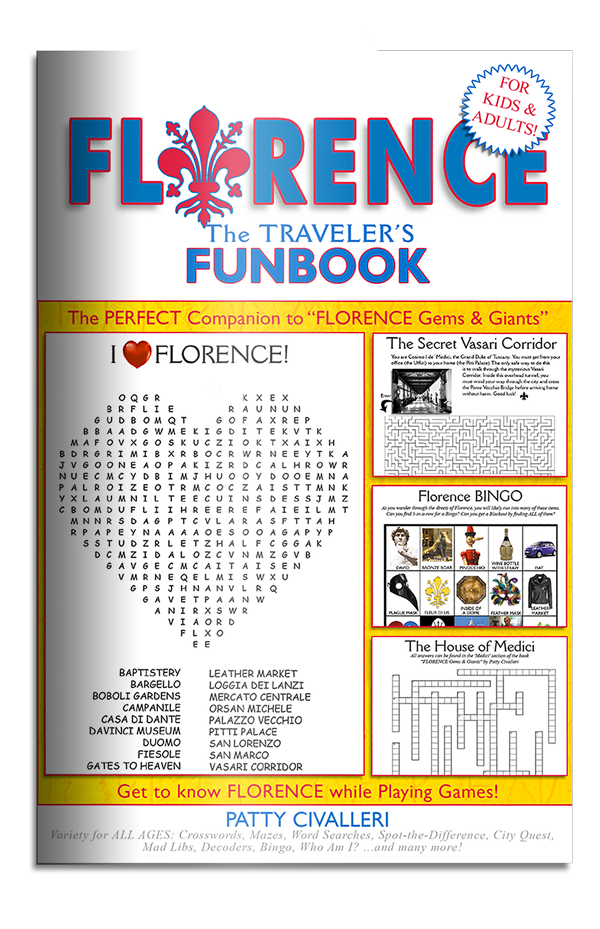
FLORENCE FunBook
FLORENCE Oversized Stickers
FLORENCE: An Hour with the Author
WHY IS THERE SO MUCH ART EVERYWHERE?
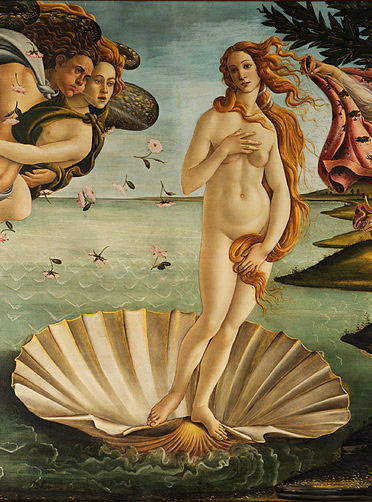
After nearly 1,000 years (the 'dark ages') of not being allowed to speak their minds, art began to pop up that symbolized the thoughts and ideas of a huge population being hushed by the Orthodoxy. This concept of ideating through art caught on so significantly that Art became the 'voice' of the people creating a social movement that spread throughout all of Europe. This movement was dubbed "The Renaissance" ("The Awakening") and defined the concept of Humanism, a concept not known for nearly 1,000 years. That concept evolved into what we now know as Human Rights.
This huge awakening began in Florence. Needless to say, Florence was a significantly pivotal point in the history of Western Europe. How's THAT for important?
LEARN HOW TO SEE (READ) ART
- What to look for
- Symbolism decoded
- Why it matters
NO ART DEGREE REQUIRED -- JUST CURIOSITY
WHO ARE THESE GUYS & WHY DO THEY MATTER WHEN I JUST WANT TO SITE-SEE?
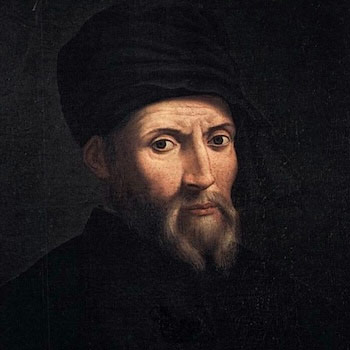
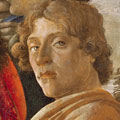
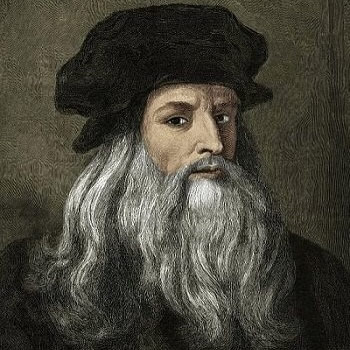
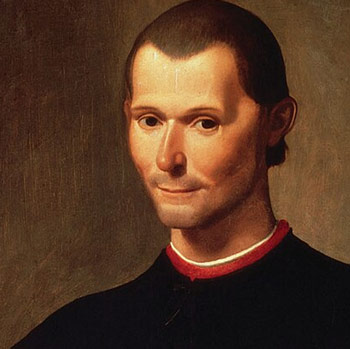
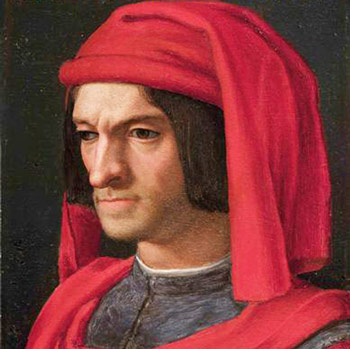
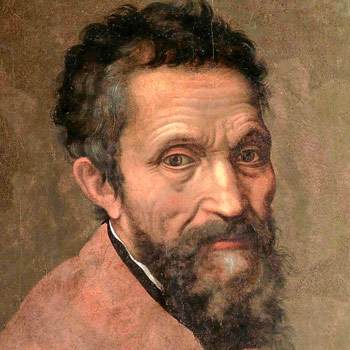
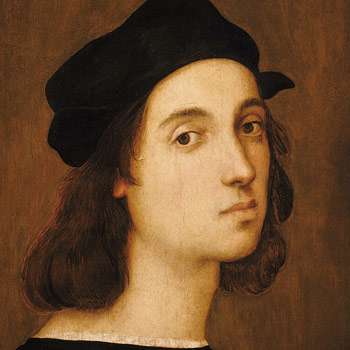
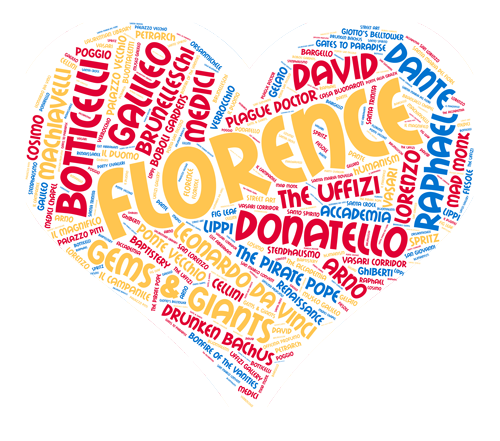
Unlike other cities, Florence is less about the buildings and more about the people. These men, among many others, and their works were chiefly responsible for changing the Western World after nearly 1,000 years. So visiting Florence is all about following these guys (and many more!) around the city to see the secrets they left behind for your enjoyment. Now, THIS is why we travel!
By the way, these guys left behind plenty of structures for you to enjoy while you're following them around the city. For example, Michelangelo and Raphael, although we remember them as artists, they were also architects - because 'architecture' wasn't a thing yet, so people hired artists to design their important buildings. That's why so many buildings in Florence are so fabulous to look at, inside and out!
FLORENCE FAQs
1. Is Florence worth visiting if I'm not interested in art?
Yes. Florence offers beautiful architecture, medieval streets, exceptional food, gardens, markets, and fascinating history beyond its famous museums. The Ponte Vecchio is a gorgeous historical bridge for jewelry shopping by day and outdoor live entertainment on many evenings (weather permitting!). Because the city has retained much of its Medieval and Renaissance charm, every step you take is a photo moment. There are excellent eateries on every single block and the nightlife offers every kind of theme and entertainment.
- The birthplace of the Renaissance
- The best in Tuscan food all over the city
- More art schools than any other city in the world
- The Medici family funded the birth of the Renaissance
2. Why is Florence called the birthplace of the Renaissance?
Florence became the center of extraordinary artistic, scientific, financial, and intellectual innovation during the 14th through 16th centuries. It was financed by the Medici family who paid many artists and thinkers to re-create ancient works of art and philosophies from the Roman Empire (over 1,000 years before). These artists and thinkers used their numerous works to get a population that had been silenced for 1,000 years to begin thinking openly again. This formed the largest social movement in Western History and this movement became known as The Renaissance - a French word for 'Rebirth' or 'The Awakening.'
- Artists included Michelangelo, Donatello, da Vinci, Raphael, Botticelli among many many others.
- Thinkers included Dante, Macchiavelli, Galileo, Petrarch, da Vinci among many many others.
- Architects included Michelangelo, Raphael, Brunelleschi, Giotto, Michelozzo, Palladio, Alberti among many others.
- The Medici family became the biggest influencers during the Renaissance era.
3. Is Michelangelo's David worth seeing?
Most visitors consider David one of the greatest sculptures ever created. Seeing the original in person is dramatically different from viewing photographs. If you aren't sure why, Patty Civalleri's book "FLORENCE Gems & Giants" gives you a quick primer about David so that when you go there, you will actually understand how and why the David sculpture is so universally revered.
4. What's the difference between the Uffizi Gallery and the Accademia Gallery?
The Uffizi showcases Renaissance paintings by masters such as Botticelli, Leonardo da Vinci, Raphael, and Titian, while the Accademia is best known for Michelangelo's David. Additionally, there are a whole host of other fantastic museums in Florence, most of which are talked about in Patty's FLORENCE book.
- Other excellent museums include: the Bargello, the Pitti Palace (6 museums in 1), the da Vinci Interactive Museum, the Galileo Museum, the Medici Chapel, The Duomo Museum, the Vasari Corridor, and many others.
- Plenty of must-see Churches include Santa Croce, Santa Maria Novella, Santa Maria della Fiore, San Lorenzo, and Santo Spirito. Not only will you find some of the greatest art in history, but the stories will 'wow' you! Patty's book will take you through these churches and she tells all!
5. How many days should I spend in Florence?
Three days is ideal for first-time visitors. Art lovers may wish to spend five or more days exploring museums, Renaissance churches, gardens, architecture, and nearby Tuscan towns. For such a walkable little town, there is so much to visit in Florence.
- Parking is nearly non-existent in most cities, towns & villages.
- Driving rules & laws vary from city to city. Signage is in Italian.
- In much of Europe, it is common to use traffic fines as fund raisers.
- Public transportation is affordable and convenient all throughout Italy.
FOR DEEPLY CURIOUS TRAVELERS WHO WANT MORE
Go beyond the surface. Discover the real stories behind the arts.
FOR TRAVELERS WHO HATE FOLLOWING CROWDS
Insider tips & local secrets lead you to the best things to notice
TRAVEL SLOWER, NOT FASTER, KEEP YOUR INDEPENDENCE
Savor the Florence at your own pace and make every moment more meaningful to you.
ROOFTOP LOUNGES TO COOL OFF AND PONDER
Handpicked rooftop retreats with breathtaking views, great drinks & room to breathe.
SPINICITY: THAT POPULAR GENIUS PLANNING TOOL
Included in everye book! Plan smarter, save time, and create your perfect Florentine experience.